
 Send Email
 Supplying Stainless Steel Pipes, Plates, Rod, Flat, Pipe Fittings & etc. in all Grade & Size. We are Manufacturer, Trader and Supplier

 Send Inquiry
321 Stainless Steel Pipe
Price 160 INR/ Kilograms
MOQ : 10 Kilograms
321 Stainless Steel Pipe Specification
- Surface Finish
- Polished, Annealed, Pickled
- Product Type
- Pipe / Tube
- Alloy
- Titanium stabilized Austenitic Stainless Steel
- Application
- Petrochemical, Chemical processing, Oil & Gas, Power Generation, Food & Beverage, Heat Exchangers, Automotive Exhausts
- Connection
- Plain End, Beveled End
- End Protector
- Plastic Caps
- Material
- Stainless Steel
- Steel Grade
- 321
- Type
- Seamless and Welded
- Shape
- Round
- Standard
- ASTM A312, ASTM A269, ASTM A213
- Grade
- AISI 321 (UNS S32100)
- Surface Treatment
- Passivated
- Technique
- Cold Drawn, Hot Rolled
- Thickness
- 1.5 mm to 12 mm
- Outer Diameter
- 6 mm to 630 mm
- Length
- Up to 12 meters (Customizable)
- Tolerance
- ±0.5 mm
- Color
- Silver/Grey
- Tensile Strength
- 515 MPa min
- Corrosion Resistance
- Excellent
- Weldability
- Good
- Yield Strength
- 205 MPa min
- Elongation
- 30% min
- Hardness
- 217 HB max
- Temperature Resistance
- Up to 870°C (continuous service)
- Magnetic Response
- Non-magnetic in annealed condition
- Density
- 7.9 g/cm³
321 Stainless Steel Pipe Trade Information
- Minimum Order Quantity
- 10 Kilograms
- Supply Ability
- 100000 Kilograms Per Day
- Delivery Time
- 3 Months
321 Stainless Steel Pipe About
The specialty of 321 stainless steel pipes is their joint-free seamless look. During the joining of two steel pipes of 321 grade, electricity is used to attain their seamless appearance. Made of a single piece of steel, offered pipes are suitable for use at around 1500 degrees C maximum temperature. 321 stainless steel pipes are suitable for jet engines, boilers, and exhaust pipelines. 321-grade steel pipes can resist the damaging effects of creep and pitting. These non-magnetic pipes are suitable for low temperature-based working conditions. To suit specific application requirements, 321-grade steel pipes have internally and externally annealed or polished surfaces.
Exceptional Thermal and Corrosion Resistance
Engineered for sustained service in harsh environments, 321 stainless steel pipe offers continuous temperature resistance up to 870C and excellent durability against corrosive media. Its titanium stabilization enhances resistance to intergranular corrosion and makes it a reliable solution for heat exchangers and chemical processing systems.
Versatile Dimensions and Customization
Available in thicknesses from 1.5 mm to 12 mm and outside diameters ranging from 6 mm up to 630 mm, these pipes can be tailored to precise customer specifications. Lengths reach up to 12 meters, accommodating projects of all scales in the petrochemical, power, and food & beverage industries.
Superior Mechanical Properties
With elongation minimums of 30%, tensile strength of at least 515 MPa, and hardness capped at 217 HB, 321 stainless steel pipes combine mechanical resilience with reliable weldability. These features ensure long-term structural integrity, even under high stress or temperature applications.
FAQ's of 321 Stainless Steel Pipe:
Q: How is the 321 stainless steel pipe typically used in industrial applications?
A: 321 stainless steel pipes are widely utilized in sectors such as petrochemical, chemical processing, oil & gas, power generation, food & beverage, heat exchangers, and automotive exhaust systems. Their titanium-stabilized composition and high temperature resistance make them ideal for environments requiring durable performance and excellent corrosion resistance.Q: What benefits does titanium stabilization provide to 321 stainless steel pipes?
A: Titanium stabilization in 321 stainless steel enhances resistance to intergranular corrosion, especially after exposure to high temperatures. This makes the pipes suitable for continuous service up to 870C, ensuring prolonged operation and reliability in heat-intensive processes.Q: What is the process for manufacturing seamless and welded 321 stainless steel pipes?
A: The manufacture of seamless pipes generally involves hot rolling or cold drawing, while welded pipes are created by forming and welding sheets. Both types undergo annealing, pickling, and passivation treatments to improve the surface finish and corrosion resistance. End protectors like plastic caps are used for safety during handling.Q: When should 321 stainless steel pipe be chosen over other grades?
A: 321 stainless steel pipes are preferred when applications require resistance to high temperatures, superior weldability, and protection against corrosion in environments such as chemical reactors, exhaust manifolds, and heat exchangers. Their non-magnetic property in annealed condition also benefits specific industrial requirements.Q: Where can 321 stainless steel pipe be sourced in India?
A: 321 stainless steel pipes are available through dealers, distributors, importers, manufacturers, suppliers, traders, and wholesalers in India. Customization for dimensions and lengths is typically provided to suit different project requirements across various industries.Q: What surface finishes are available for 321 stainless steel pipes?
A: The pipes come with polished, annealed, pickled, and passivated surface treatments. These processes optimize the pipe's appearance, enhance corrosion resistance, and support cleanliness and durability in sensitive applications.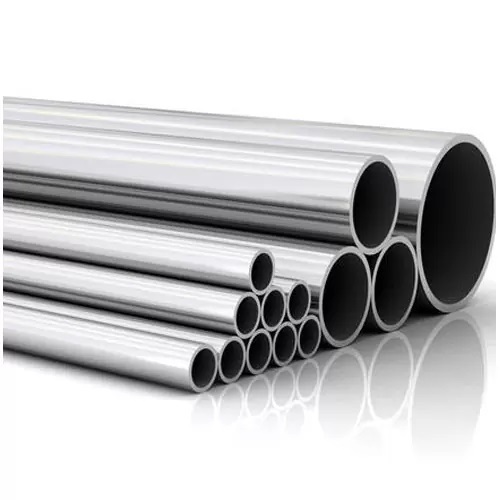
Tell us about your requirement

Price:
Quantity
Select Unit
- 50
- 100
- 200
- 250
- 500
- 1000+
Additional detail
Mobile number
Email

More Products in Pipes & Tubes Category
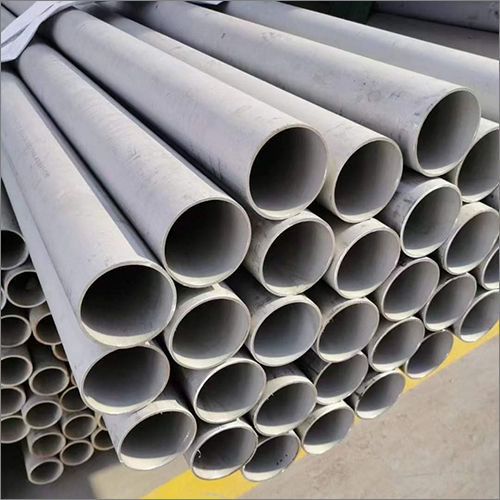
Stainless Steel Pipe Tubes
Price 260 INR / Piece
Minimum Order Quantity : 10 Kilograms
Color : SILVER
Material : Stainless Steel
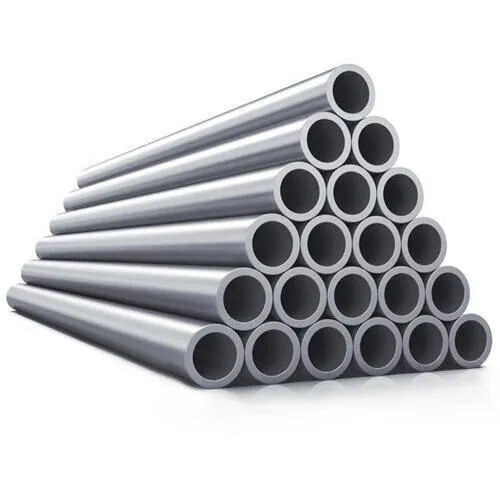
DUPLEX TUBES
Price 600 INR / Kilograms
Minimum Order Quantity : 10 Kilograms
Color : Sliver
Material : Stainless Steel
Usage : Industrial
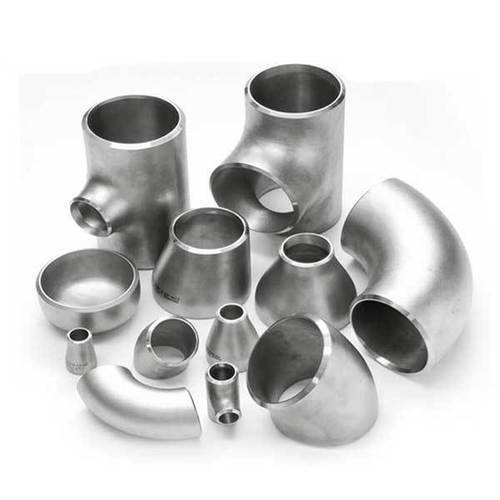
DUPLEX PIPE FITTINGS
Price 850 INR / Kilograms
Minimum Order Quantity : 10 Kilograms
Color : Sliver
Material : Stainless Steel
Usage : Industrial
Surface Finish : Polished
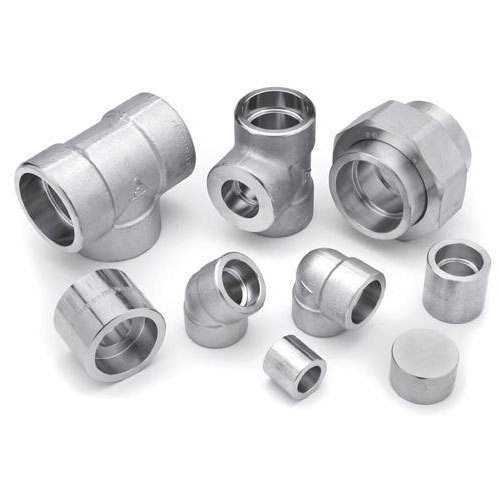
DUPLEX SOCKET WELD FITTINGS
Price 650 INR / Kilograms
Minimum Order Quantity : 10 Kilograms
Color : Sliver
Material : Stainless Steel
Usage : Industrial
Surface Finish : Polished

Contact Us

- 73, Manaji Rajuji Bldg, 2nd Floor, Office no. 26, 1st Kumbharwada,Mumbai - 400004, Maharashtra, India
- Phone : 08045811853
KAVIRAJ METAL INDUSTRIES
GST : 27BADPB4575P1ZB

- Mr Prakash Bishnoi (Proprietor)
- Mobile : 08045811853
-
 Send Inquiry
 Send Inquiry

KAVIRAJ METAL INDUSTRIES
All Rights Reserved.(Terms of Use)
Developed and Managed by Infocom Network Private Limited.
Developed and Managed by Infocom Network Private Limited.
